The Genomics England Research Study listed approximately two hundred rare treatable conditions of children five years old or younger.
Genomics has had, and continues to have, an impact on healthcare. Each year many more lives can be improved by detecting treatable disorders earlier and providing lifesaving therapies. Every year thousands of children born in the UK have a rare disorder that can be detected by genome sequencing.
Early intervention is the key. It has been proven to help these young children live longer and healthier lives.
The List of 200 Rare Conditions
Genomics England, a British company, is owned by the UK Health Department. The 2024 project’s goal is to sequence the genomes from National Health Service rare disease patients and their families.
The project’s researchers intend to find out if sequencing babies’ genomes will help to discover rare diseases earlier. Its goal is to analyze the DNA of more than 100,000 babies and collect enough evidence to determine whether whole genome sequencing could result in future newborn screenings.
About Whole Genome Sequencing
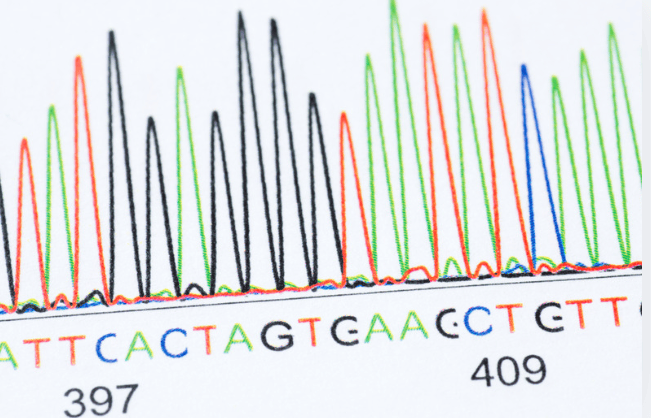
The human genome contains a person’s DNA and genetic information. A lab can read a person’s DNA by using a DNA sequencer machine.
The sequencer is a scientific instrument that can determine the sequence of the four bases e.g. GCAT. The initial list consists of 223 conditions that were the result of genetic changes in over 500 genes.
Genes contain DNA. Its coding directs the development of cells. If a gene or a cluster of genes develop a mutation, the result is a genetic disease or a birth defect. To create the list, in addition to collaborating with NHS experts, four key principles were developed by Genomics England after reviewing over 900 genes.
The company consulted with healthcare professionals, scientists, the public and people with rare conditions. The study is estimated to identify 500 to 1000 diagnoses in 100,000 babies. Those who are found to have a rare condition will receive support and care.
What are your thoughts about becoming a rare disease advocate? Share your thoughts, stories, and hopes with the Patient Worthy Community
Rose Duesterwald October 30, 2026