
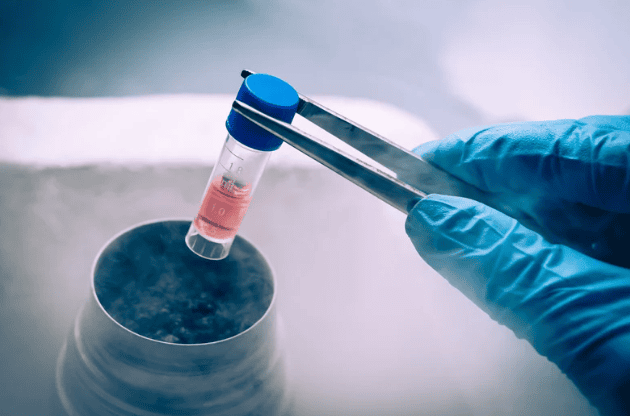
Scientists who have devoted years to improving the survival rate for mice models are encouraged by their recent success, as shared on Huntington Disease News.
Achieving Improved Results
Now these scientists have set a newer and more challenging goal whereby the teams seek to improve the survival rate for treated mice with the intent to achieve equal or better results when their efforts are directed towards humans.
According to a study published in Nature Biotechnology, Steve Goldman, M.D. senior author of the study, commented in a university press release that replacing the stem cells lost as a result of HD is new but a feasible concept in the treatment of the disease.
The findings strongly suggest that glia reside in the adult brain and whether diseased or old, glia may be replaced by healthier and younger cells. Neurons activate chemical signals and glia modulate neuron signaling.
The researchers suggested that using healthy human glial cells may be a viable alternative to treating neurological disorders, including HD, that are characterized by troublesome glia cells.
Huntington’s Disease (HD)
HD is a rare, genetic disorder, that causes progressive degeneration of the nerve cells in the brain. HD currently affects over 30,000 people in the United States.
The disease usually appears between the ages of 35 through 55 or later.
HD is characterized by a reduction in a type of medium spiny neuron which is vital to motor control. HD causes involuntary movements, difficulty with coordination, and eventually cognitive decline followed by depression and death.
Currently there are no approved treatments to either modify or slow HD.
What are your thoughts about becoming a rare disease advocate? Share your hopes, thoughts, and stories with the Patient Worthy Community
Rose Duesterwald November 23, 2026