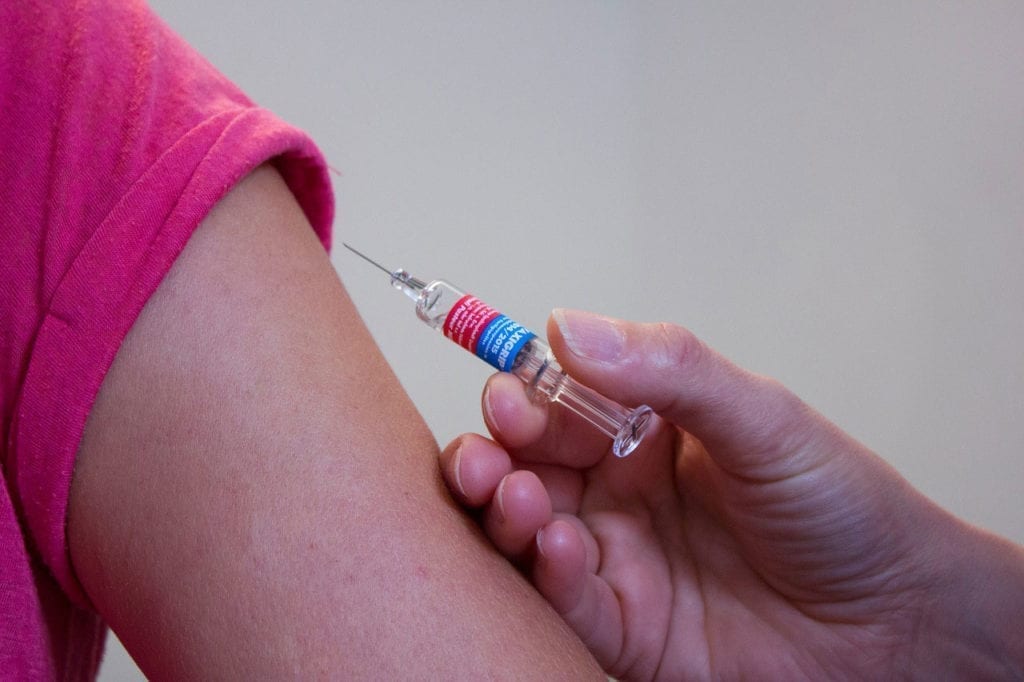
According to the CDC, a look back at April 2026 cumulative reports showed more than 139 pediatric deaths with approximately 250,000 people hospitalized. In simple terms the 2025-2026 US flu season was severe.
The season was characterized by a rapid surge of a new mutation of Influenza A called H3N2 and known as “subclade K”, accounting for 90% of cases that were responsible for reducing the effectiveness of the vaccine. Although the numbers are starting to decline, the previous levels were at times the highest reported in the past twenty-five years.
What do Statistics Look Like Now?
Nevertheless, the vaccine proved to be effective. The 2025-2026 data indicated that adult hospitalizations were reduced by approximately thirty percent while the children’s numbers were reduced by forty percent.
The number of cases, especially H3N2, resulted in 12,000 deaths by April 2026.
Vaccine protection was low with only fifty percent of children and adults receiving their shots by April 2026.
The timing of the surge took place through January of 2026, instead of the typical peak in January/February.
Protective Vaccinations
Vaccinations were low, with fewer than fifty percent of children and adults opting for protection by the latter part of February. In March 2026 the FDA, looking for improved protection, recommended that the three elements of the vaccines should be updated to provide improved protection against A(H3N2).
New Formulations
The 2025-26 season included the first self/caregiver nasal spray vaccine called FluMist that was approved in the latter part of 2024.
Although influenza’s effect is decreasing from its winter peak, it remains elevated in certain areas.