EP0042 for AML Earns Orphan Drug Designation
The Orphan Drug Act was passed with a goal in mind: to incentivize the development of therapeutics for orphan drugs. These drugs are used for patients with rare conditions,…
It can be difficult to spur interest in rare disease drug development. Forty years ago, the Orphan Drug Act passed as a way to incentivize drug development within this space.…
In the United States, Orphan Drug designation is granted by the FDA to drugs focused on the treatment, prevention, or diagnosis of rare conditions; these are those affecting fewer than…
In the past, it was difficult to incentivize the development of treatments for rare diseases, given issues with both profitability and small patient populations. However, all people are deserving…
Currently, the standards-of-care for advanced/metastatic (stage III or IV) melanoma include immunotherapy, targeted therapy, and radiation. Some patients are given anti-PD-1 inhibitors. However, only around 20-30% of those living…
Rare diseases are, by their nature, rare—and because of this, it can be difficult to spur drug development. The FDA worked to overcome this through the creation of the…
In the United States, Orphan Drug designation is granted to drugs or biologics intended to treat, diagnose, or prevent rare diseases or conditions. These are defined as conditions affecting fewer…
It can be extremely difficult to incentivize drug development for rare diseases or conditions. To combat this, decades ago, the FDA created the Orphan Drug Act. Now, Orphan Drug designation…
In the United States, the FDA grants Orphan Drug designation to drugs or biologics intended to treat, diagnose, or prevent rare diseases or conditions. A rare disease is one…
The Orphan Drug Act was passed in 1983 to stimulate the development of therapeutics for rare diseases. With this came the Orphan Drug designation. This designation is granted to drugs…
In the United States, Orphan Drug designation is granted to drugs or biologics intended to treat, prevent, or diagnose a rare disease or condition. Rare conditions are those affecting fewer…
In the United States, Orphan Drug designation is granted to drugs or biologics intended to treat, prevent, or diagnose rare diseases or conditions. A rare condition is one affecting fewer…
According to a September 2022 article from OncLive, the European Medicines Agency (EMA) granted Orphan Drug designation to CAN-2409. This therapy is being developed as a potential therapeutic option for…
Sometimes, it can be difficult to incentivize researchers and drug developers to focus on solutions for those with rare conditions. The FDA created the Orphan Drug Act to overcome…
Osteosarcoma is genomically complex, which means that – sometimes – it can also be difficult to treat. Treatment and management, however, are crucial to ensuring positive patient outcomes. Doctors and…
In the United States, the FDA grants Orphan Drug designation to drugs or biologics intended to prevent, diagnose, or treat rare conditions. These are conditions affecting fewer than 200,000 Americans.…
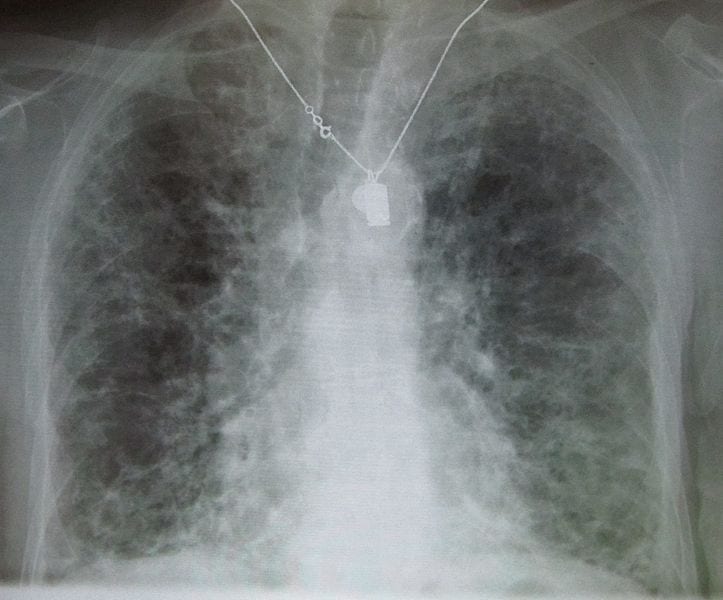
According to an August 2022 news release from biotechnology company Elixiron Immunotherapeutics (“Elixiron”), EI-1071, a therapy for patients with idiopathic pulmonary fibrosis (IPF), recently earned Orphan Drug designation from…
Have you ever heard of Orphan Drug designation? This designation is intended to spur research and development into drugs or biologics for rare diseases. Orphan Drug designation is granted…
In the United States, Orphan Drug designation is granted to drugs or biologics intended to treat, prevent, or diagnose rare conditions. A "rare" condition is defined as one affecting fewer…
It can sometimes be difficult to spur research and drug development within the rare disease space. For this reason, the Orphan Drug Act was created. The Orphan Drug Act provided…
In the United States, Orphan Drug designation is a special status granted to drugs or biologics intending to treat, prevent, or diagnose a rare disease or condition. A "rare" condition…
Currently, there are an estimated 30 million people in the European Union (EU) who are living with a rare disease. Drug developers are incentivized to create therapies for those…
In the U.S., the FDA grants Orphan Drug designation to drugs or biologics intended to treat, diagnose, or prevent rare diseases or conditions. “Rare” refers to any condition affecting fewer…
At the end of June 2022, biopharmaceutical company InflaRx N.V. (“InflaRx”) shared via press release that its product vilobelimab recently earned Orphan Drug designation in both the United States…
According to a recent news release from PR Newswire, the European Medicines Agency (EMA) has recently awarded elamipretide its Orphan Drug designation for the treatment of Barth syndrome. This treatment,…