Recently at the World Orphan Drug Conference in Boston, Patient Worthy had the opportunity to meet with Dave Pearce PhD, Chair of International Rare Disease Research Consortium, (IRDiRC) Professor of Biomedical and Translational Sciences at the University of South Dakota, SD, and Professor of Biotechnology at Mount Marty University, SD. He will be helping to lead the 5th “Undiagnosed Hackathon” in Singapore September 17-20th at Women’s and Children’s Hospital SingHealth.
The Undiagnosed Hackathons were pioneered by the Wilham Foundation, and are described as operating with a unique collaboration “breaking down traditional silos and working side by side,” with such collaborators including clinicians, geneticists, bioinformaticians, molecular biologists, AI-specialists and developers, and other experts working intensively together on the most complex unsolved cases.
Dr. Pearce will similarly co-lead the “Hackathon” during the American Society of Human Genetics’ conference in Montreal this October 20th from 10am-4pm to try to decode undiagnosed cases, utilizing a combination of long- and short-read sequencing, RNA, and methylation data.
Recently, the publication Inside Precision Medicine published an article describing how researchers at Radboud University Medical Center in the Netherlands used long-read sequencing on families who’d never gotten a clear diagnosis. In two days, they confirmed five diagnoses, and found strong leads in eight other families out of the 33 families that participated. In other words, 20 families were no closer to knowing the etiology of their symptoms.
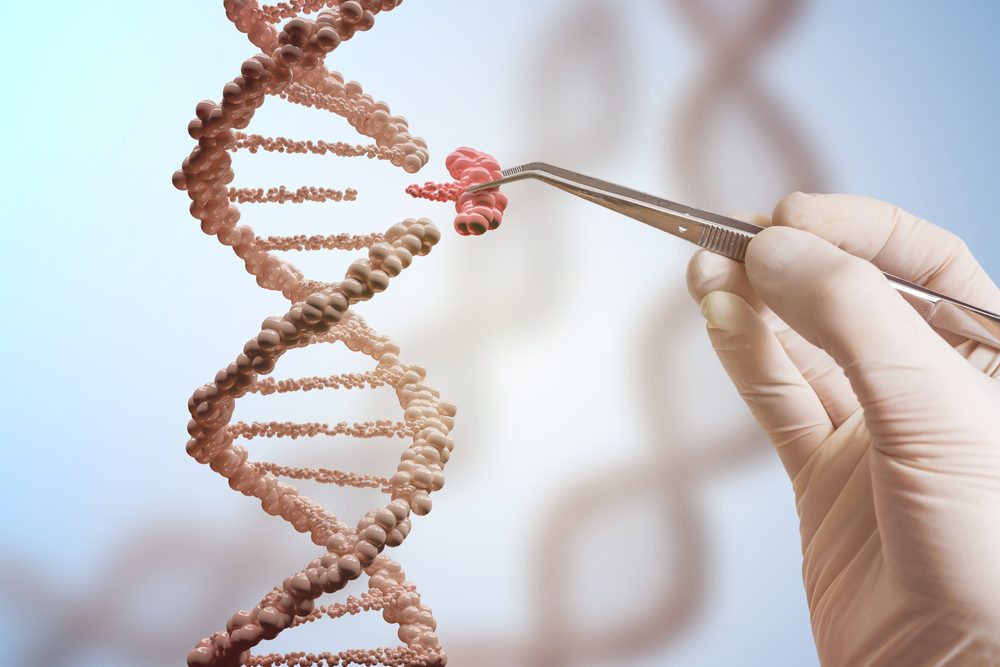
The researchers created a new DNA test that uses long-read genome sequencing to find causes of rare diseases faster and more completely than many current tests. Long-read sequencing reads much longer pieces of DNA at once—up to about 20,000 nucleotides—while standard tests usually read pieces around 300 nucleotides long. Because the reads are longer, scientists can put the whole genome together more accurately and spot complicated changes, like large structural variants, that short reads often miss. The team, showed that the test also detects epigenetic modifications (chemical marks on DNA that change how genes work without changing the DNA code itself) which many standard tests cannot see.
Similarly the Undiagnosed Disease Network, a research initiative by Harvard University and backed by the NIH, uses a variety of techniques to try to uncover what is going wrong in individual cases. More information is available here.
The Rare Genome Project at MIT also looks for answers, but it is limited to conditions which likely are caused by a single gene variant. For those cases that remain unanswered, they also maintain a database so that if future research reveals answers, families may be contacted.
Overall, advances in genetic testing and AI, as well as the inclusion of many types of scientists coming together in international collaboration, has led to new hope for families struggling with undiagnosed conditions.