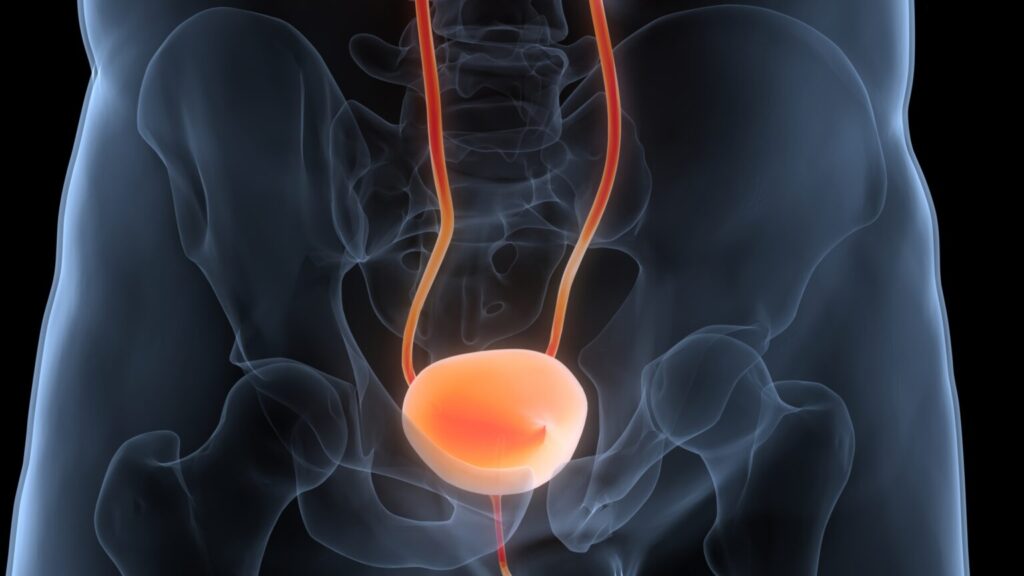
As reported on The ASCO Post, perioperative treatment with enfortumab vedotin-ejfv plus pembrolizumab resulted in superior event-free survival, overall survival, and pathologic response rates compared with neoadjuvant cisplatin/gemcitabine in cisplatin-eligible patients with muscle-invasive bladder cancer (MIBC), according to phase III data from KEYNOTE-B15/EV-304.
The trial, reported by Galsky and colleagues in The New England Journal of Medicine, evaluated the antibody-drug conjugate and immunotherapy combination in patients undergoing radical cystectomy for curable disease.
Study Population and Treatment Plan
The open-label study enrolled 808 adults at 158 sites across three geographic regions. Participants had histologically confirmed MIBC, were candidates for cisplatin-containing chemotherapy, and were eligible for radical cystectomy with pelvic lymph-node dissection.
Patients were randomly allocated in equal numbers to perioperative enfortumab vedotin plus pembrolizumab or conventional neoadjuvant cisplatin/gemcitabine.
Those assigned to the experimental strategy received four cycles of enfortumab vedotin and pembrolizumab before surgery. Following cystectomy, they continued with five cycles of enfortumab vedotin and 13 cycles of pembrolizumab. The comparator group received four cycles of cisplatin plus gemcitabine before cystectomy, without protocol-specified postoperative systemic treatment.
The primary endpoint was event-free survival. Researchers also assessed overall survival, pathologic complete response, and safety. Patient demographics and disease features were well matched across arms. The median age was 66 years, with men comprising most of the study cohort.
Surgery was performed in 86.7% of patients receiving the perioperative combination and in 89.6% of those receiving cisplatin/gemcitabine.
Survival and Response Advantages
At a median follow-up of 33.6 months, the estimated 2-year event-free survival rate was 79.4% with enfortumab vedotin/pembrolizumab, compared with 66.2% for cisplatin/gemcitabine. The regimen reduced the risk of an event by 47% relative to chemotherapy (hazard ratio [HR], 0.53; P < .001).
Median event-free survival had not been reached in the experimental arm at the time of analysis, whereas it was 48.5 months in the chemotherapy arm.
A statistically significant overall survival benefit was also observed. At 2 years, estimated overall survival was 86.9% in the enfortumab vedotin/pembrolizumab group and 81.3% in the cisplatin/gemcitabine group (HR, 0.65; P = .006). Death had occurred in 17.0% and 24.6% of patients, respectively.
Tumor eradication at cystectomy was notably more frequent with the combination. A pathologic complete response was achieved by 55.8% of patients treated with enfortumab vedotin/pembrolizumab, versus 32.5% of those treated with cisplatin/gemcitabine (P < .001). Pathologic downstaging rates were 63.7% and 45.2%, respectively.
Among patients without detectable disease following surgery, 15.9% in the experimental arm subsequently experienced recurrence or died, compared with 28.8% in the chemotherapy arm. Estimated disease-free survival at 2 years was 86.1% with the combination and 72.6% with standard chemotherapy.
Toxicity Profile
Nearly every treated patient reported at least one adverse event in both study arms. Nevertheless, the combination regimen was associated with higher rates of high-grade and serious adverse events.
Grade 3 or worse toxicities occurred in 75.7% of patients receiving enfortumab vedotin/pembrolizumab and 67.2% receiving cisplatin/gemcitabine. Serious adverse events were documented in 63.3% and 48.0% of patients, respectively.
Itching and diarrhea were prominent toxicities in the enfortumab vedotin/pembrolizumab arm, while anemia and neutropenia were more frequently reported with cisplatin/gemcitabine. Adverse events attributed to treatment caused discontinuation of one or more assigned drugs in 35.2% of patients on the combination, compared with 11.1% of patients on chemotherapy.
Although treatment-related toxicities were more common with the perioperative approach, rates of radical cystectomy and surgery delays were similar between the two study groups.
Potential Impact on Care
The investigators noted that these results complement those from KEYNOTE-905, which assessed the same perioperative approach among patients who were not eligible for cisplatin. Taken together, the studies support enfortumab vedotin plus pembrolizumab as a possible perioperative option for resectable MIBC across cisplatin-eligible and cisplatin-ineligible populations.
Longer follow-up will be important to determine the durability of benefit and to refine strategies for preventing and managing treatment-related adverse events.