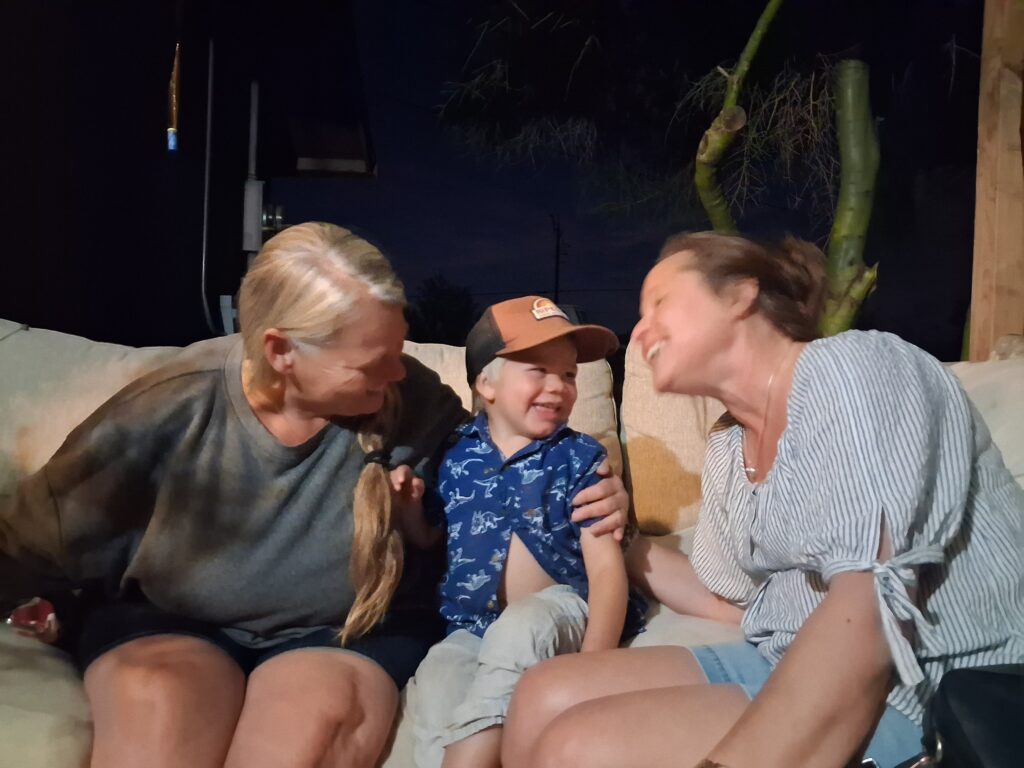
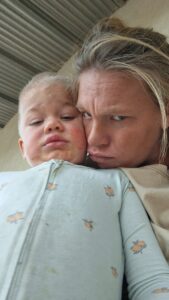
 This is my son Nikolai.
Nikolai was recently diagnosed with Mucopolysaccharidosis type 2, or “Hunter Syndrome.” A rare genetic form of childhood dementia, it’s caused by a mutation in the IDS gene, which then doesn’t give his body the enzyme needed to break down glycosaminoglycans. This causes a buildup of sugar in his cells that progressively attack his body from the inside out, affecting his brain, heart, liver, joints, and tissues, which will likely lead to death before he makes it out of his teenage years.
I choose to advocate and spread as much awareness I can, to someday lead to a cure for not just Nikolai, but all the boys who live with this. We are thankful for all the advocating done before us, because it gives us the option for the only enzyme-replacement therapy that crosses the blood-brain barrier. Although, it also means weekly infusions for the rest of his life to preserve his brain as much as possible instead of it getting progressively getting worse.
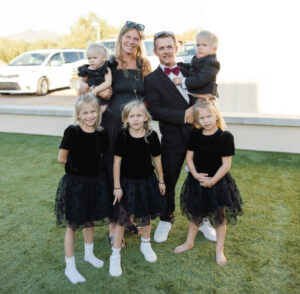
It’s hard trying to keep my ahead above water between juggling all the appointments and showing up to be there for all six of my beautiful babies. Alongside the enzyme-replacement therapy, we are seeking alternative methods to help Nikolai as well.
Photobiomodulation laser therapy uses red and near-infrared light to help cells produce more energy, calm inflammation, and support the brain’s natural healing processes. MUSE stem cells are being studied because they can respond to signals from injured or stressed areas of the body and may move toward those areas, where they can release signals that support tissue repair and help regulate inflammation. Together, the goal is to create a healthier environment for the body to repair damaged cells and potentially reduce the excessive immune response that causes the body to “fight itself,” although these benefits are still being researched.
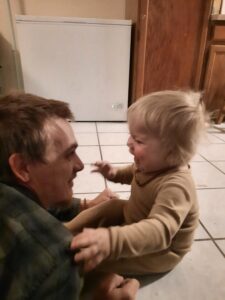 I’ve met one person that has heard of this disease. I have big goals. Goals that these rare diseases become more widely-known. More widely-known means more awareness, more empathy, more support, more research, and hopefully one day… a cure.
In most cases, boys with Hunter syndrome aren’t diagnosed until regression has already begun. They are healthy active little boys, and slowly lose skills over time. By then, the buildup of glycosaminoglycans (GAGs) in their cells has already started causing damage to the brain and body.
I’ll keep spreading awareness. I’ll keep sharing both the joy and the grief.
Because I hope that one day, Hunter Syndrome will be included on every newborn screening panel around the world. In Arizona, it was successfully added to our newborn panel the first fall following his birth. We barely missed it. Families deserve to know from the very beginning before damage begins, so children have the best possible chance at a future with a full quality of life.
I don’t want to be here begging the world to open their eyes and see the truth about a heart-wrenching condition. I don’t want to be here begging for help for our boy. But I am here, and I’ll keep showing up in every way I have to.
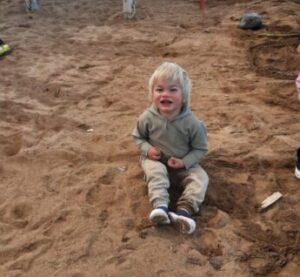
It’s a blessing, not knowing what’s in store for us, or else we wouldn’t be able to take the next step in the depths of each hard season we step into.
To follow along with Nikolai’s journey, check out our Facebook and Instagram.