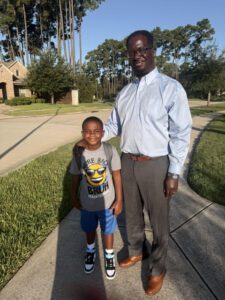
 When I was 39 years old, my life changed in an instant. I was a father of two young children, my daughter was six and my son almost six months old. I was working and living what I thought was a normal life. But what started as lower back pain, something I’d attributed to a college basketball injury, would eventually lead to a diagnosis that changed everything I thought I knew about my future.
In 2017, I came down with a salmonella infection in the Dominican Republic, and blood work revealed something alarming: a dangerously low white blood cell count. It took six months, countless tests, and several referrals to specialists before my hematologist at Tennessee Oncology confirmed the diagnosis – multiple myeloma, a rare blood cancer that affects the bone marrow. Multiple myeloma is most common in people aged over 65 years old, with about 36,000 people expected to be diagnosed in 2026. At age 39, it was a shock that I was diagnosed with this disease and my symptoms could have been easily mistaken for other common conditions, which taught me the importance of listening to my body and seeking answers early.
I started treatment immediately in August 2018. It took a year and a half to feel like myself again, and by then I was in remission. For the next several years, life resumed to my new normal; I went to the gym, traveled with my family, and continued my career. My doctor visits became routine, and I continued my treatment plan.
But in 2023, my multiple myeloma numbers began to rise, forcing me to switch to a new course of treatment. It wasn’t until the following year that I mentioned CAR-T therapy to my hematologist – an option I thought about since first hearing it as an emerging treatment in 2017. After discussing options with my care team, I began preparation for CAR-T therapy and in December 2024, I received CARVYKTI®, a single one-time infusion for multiple myeloma patients. This therapy is available for individuals like me who have had at least one other treatment.
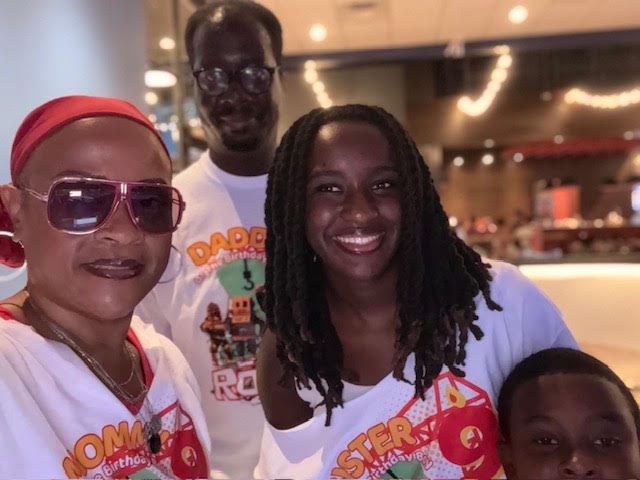
Throughout my entire treatment journey, my wife Tracy was not only my care partner but my greatest advocate. As a doctorally prepared Family Nurse Practitioner, she understood the medical complexities of my illness, but as my caregiver and partner, she understood what I needed emotionally and physically. While managing our young children, her career, and my illness, Tracy was also caring for her father, who had vascular dementia and suffered multiple strokes. The stress of being everyone’s support system took a toll, and she was eventually hospitalized with chest pain.

Looking back, Tracy says those years taught her an important lesson about the significance of self-care for care partners.
She often says, “For a long time, I was focused on taking care of everyone else. I had to learn that if I’m pouring from an empty cup, I can’t care for my husband, my kids, or anyone else, so taking care of myself became just as important as caring for him.” Watching Tracy navigate her role as my care partner made me realize that this journey was never mine alone. We were both learning how to move forward together.
Today, I’m in full remission with undetectable disease, and I’m feeling great. I’m grateful for how far I’ve come and for the opportunity to focus on life beyond treatment. Most importantly, I’ve been able to watch my children grow up, something that once felt uncertain and remains my greatest blessing.
My family’s multiple myeloma journey has given us a platform and purpose. We’ve been involved with Blood Cancer United in Texas, and I regularly receive calls from people newly diagnosed with multiple myeloma and their families. Together, we advocate for patient education, physician communication, and the importance of asking questions throughout the treatment journey.
Looking back, uncertainty was one of the hardest parts. Waiting for answers and facing a life-changing diagnosis at 39 put everything into perspective. I encourage others to lean on their support system, stay informed, and focus on what matters most.
Multiple myeloma is a marathon, not a sprint. Keep your mind calm, lean on your support system, and don’t wait to enjoy life. Remember, you don’t have to face this journey alone. Your care partners and support network can help you find strength through every step.