
What Is CRISPR?
Editor's Note: Patient Worthy is proud to share this article from our friends at the TESS Research Foundation. To see the article in its original format, please click here. TL;DR: CRISPR…
Continue Reading
What Is CRISPR?

Editor's Note: Patient Worthy is proud to share this article from our friends at the TESS Research Foundation. To see the article in its original format, please click here. TL;DR: CRISPR…
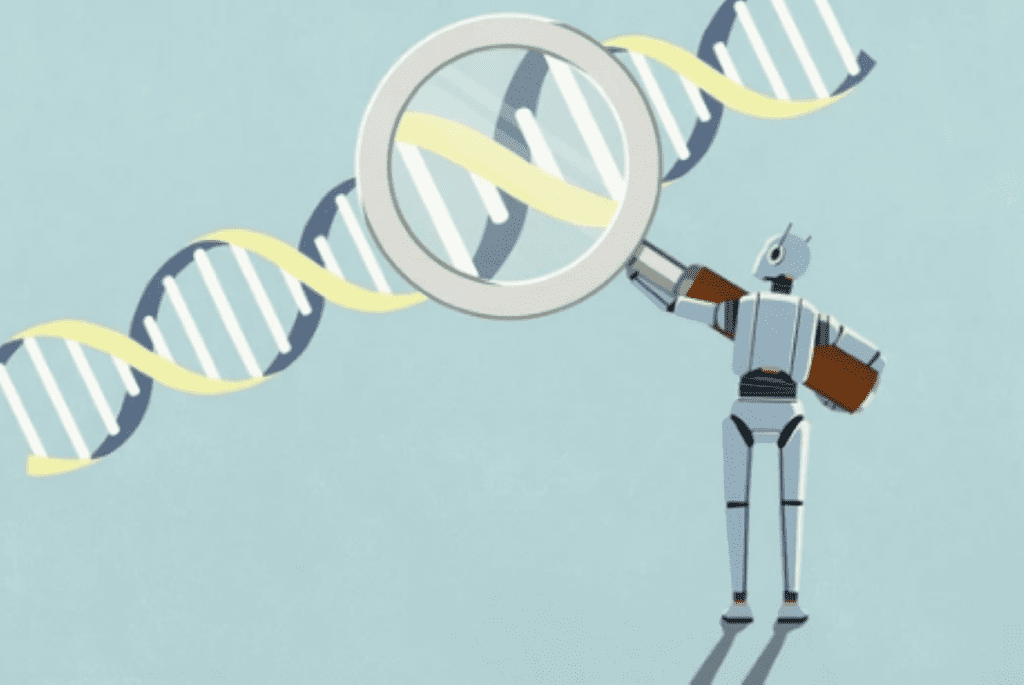
In a groundbreaking medical achievement, physicians have administered the world’s first personalized gene-editing therapy to an infant suffering from a rare and fatal genetic disorder. The innovative treatment, described at…

Genetic disorders are caused by genetic mutations (changes) in your gene. Over the past decade especially, researchers increasingly explore genome editing options to fix or address genetic diseases at the…

Over 100,000 individuals living in the U.S. are on a waiting list for an organ transplant. An average of 17 people die each day while waiting for a donor organ.…
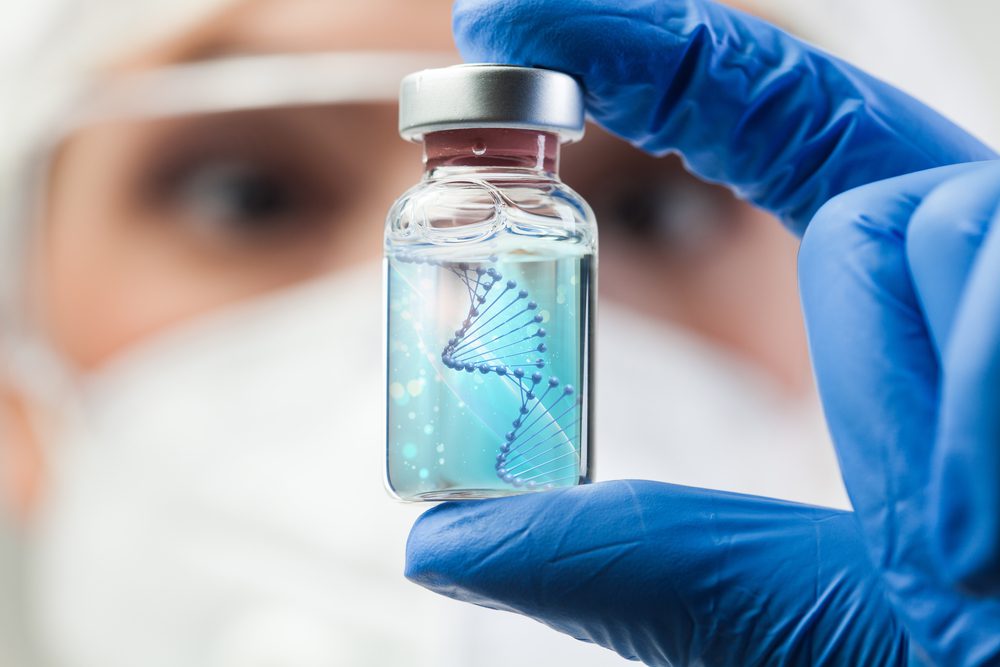
CRISPR was first described ten years ago as a viral mechanism for defense, taken from bacteria, which could be transformed into genetic scissors and accurately alter DNA. About Casgevy CRISPR…
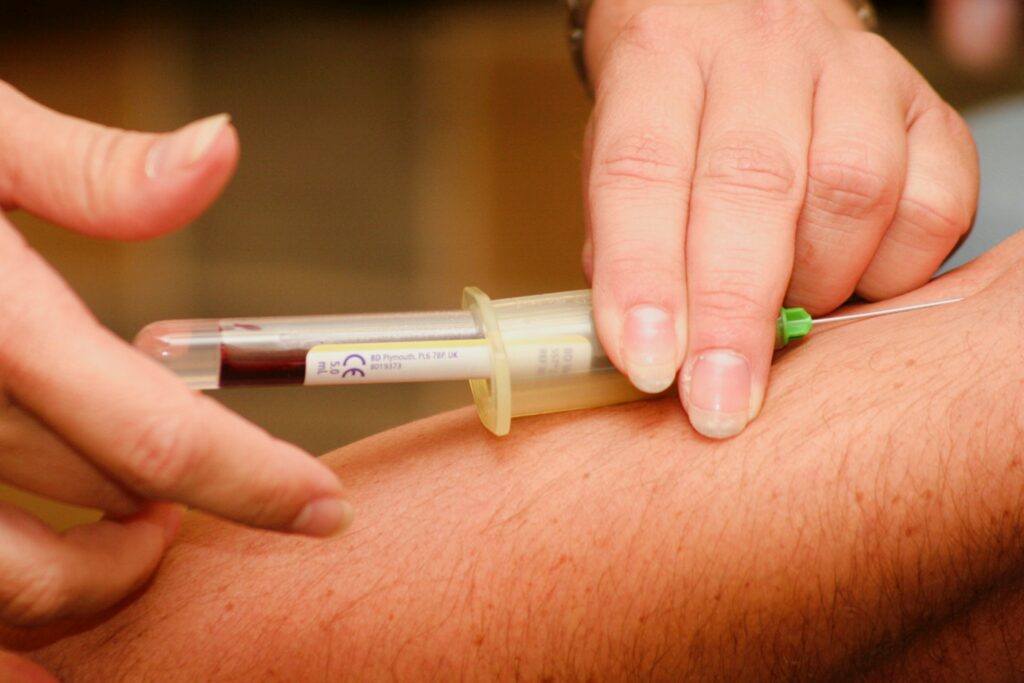
Heterozygous familial hypercholesterolemia (HeFH) can be difficult to control on available standard-of-care cholesterol-lowering medications. Therapeutic interventions are needed to reduce high LDL cholesterol levels and improve health and quality-of-life for…

Treatment advances are occurring daily in the field of rare disease. As researchers hone their strategies and tools, new technologies are emerging with the potential to significantly impact patients…

According to a recent article from MedicineNet, scientists are editing the genomes of ticks to help prevent tick-borne diseases such as Lyme disease. Lyme Disease Lyme disease is a vector-borne…

In a December 13 press release listed on the company's website, genome editing company Intellia Therapeutics, Inc. ("Intellia") shared that the first patient had been dosed in a Phase…

CRISPR Cas9 gene editing is still looked upon as a new phenomenon in medicine. Yet it appears in the news almost every week. This week Neurology Today shines a light…

CRISPR (clustered regularly interspaced short palindromic repeats) was discovered over a decade ago by Emmanuelle Charpentier and Jennifer Doudna, two scientists who recently shared the Nobel Prize. Scientists using…

Previously, clinical-stage genetic medicines company Homology Medicines, Inc. ("Homology") submitted an Investigational New Drug (IND) application to the FDA for HMI-103, an investigational gene editing therapy designed to treat phenylketonuria…

Over ten years ago two Nobel-Prize-winning biologists, Emmanuelle Charpentier and Jennifer Doudna, discovered a technology called CRISPR (clustered regularly interspaced short palindromic repeats). Bacteria contain genetic sequences repeated throughout…

Genetic editing has the potential to address and treat a variety of genetic conditions. Recently, researchers explored gene editing as a potential therapeutic option for patients with facioscapulohumeral muscular dystrophy…

Crispr is no longer a buzzword. According to a recent article in The Guardian, it has become the ‘molecular scissors’ that will enable scientists to rewrite our genes or as often said,…

What if there was a way to genetically prevent the development of certain conditions, such as Alzheimer's disease? According to Medical XPress, this might soon be an option on the…

In 2012, a new medical technology emerged: CRISPR-Cas9, which offered the opportunity for gene editing. LabBiotech explains that gene editing could benefit patients with genetic disorders by adding, deleting, or…

According to Angelman Syndrome News, researchers used rat models of Angelman syndrome to test gene editing as a potential therapy. They found that CRISPR technology deleted the defective UBE3A gene. However, rats…

Saying that COVID-19 has impacted the world might just be an understatement. In fact, COVID-19 changed the way we interact with each other, businesses, and the world around us. But how…

As originally reported in Medical Xpress, CRISPR has been a hot conversation starter in recent years. It has been framed as gene editing made easy: cheaper and simpler than previous…

We've been hearing A LOT about so-called 'gene editing' and 'CRISPR' lately -- and now there's new developments on that front. Scientists have developed a new gene-editing technology called 'prime…

According to a publication from Charcot Marie Tooth News, biomedical law expert Timo Minssen recently gave a presentation at the New York Genome Center where he discussed the potential ethical…

As reported in RadioFreeEurope, Russian biologist Denis Rebrikov is currently challenging the norm of caution regarding gene-editing in the science world, with efforts to gain the go-ahead from Russia to…

The Atlantic featured this incredible story about the possibilities of using genetically altered piglets as avatars for children with genetic diseases. Furthermore, the article delves into the personal story of one…

For any John Oliver fans out there, you know his thing is deep-diving into topics of importance - from beauty pageants to international elections to failing American infrastructure - just…


Sign Up With a Patient Worthy Account and Share Your Rare Story
- OR -

Make a difference, share your experiences and get paid. Opt-in and join Patient Worthy's panel for paid opportunities such as surveys, market research, patient advisory panels and more.
- OR -
Make a difference, share your experiences and get paid. Opt-in and join Patient Worthy's panel for paid opportunities such as surveys, market research, patient advisory panels and more.